The Biggest Personal Injury Claim Trends in 2025 Every Injured Victim Should Know
The personal injury world is changing faster than ever, and 2025 has brought some of the biggest updates we’ve seen in more than a decade. Whether you were injured in a car accident, slip-and-fall, workplace incident, rideshare crash, or medical malpractice situation, understanding how these new trends affect your claim is essential. The right knowledge helps victims protect their rights, strengthen their cases, and ultimately win the compensation they deserve.
Below are the most important personal injury claim trends in 2025 that every injured victim must know. These updates impact how evidence is collected, how insurance companies evaluate claims, how lawyers argue cases, and how juries respond to modern injuries.

1. Social Media Is Now a Primary Form of Evidence
In previous years, social media was “supporting” evidence at best. In 2025, it has evolved into a first-line tool for insurance companies. Adjusters and defense attorneys now use AI-powered software that scans a victim’s social profiles for:
- Posts that contradict injury claims
- Photos showing physical activity
- Check-ins at social locations
- Comments suggesting mobility or travel
- Friends tagging you without permission
This means victims must be extremely careful. Even harmless posts like “Feeling better today!” or “Out with family” can be taken out of context and used to undermine a claim.
To protect yourself, review our related guide: How Social Media Affects Personal Injury Claims.
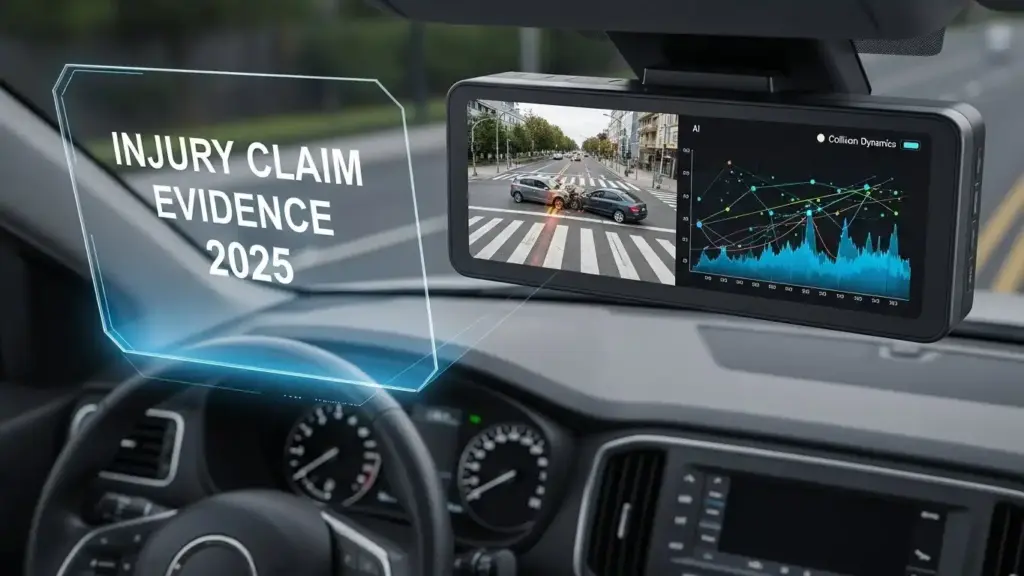
2. AI Dashcams and Telematics Are Becoming Standard Evidence
One of the biggest breakthroughs in 2025 personal injury litigation is the explosion of telematics and AI-assisted dashcams. Modern dashcams now record:
- Speed, braking, and acceleration patterns
- Lane changes and steering movements
- Audio before and after impact
- Driver and passenger behavior
This type of evidence is incredibly difficult for insurance companies to dispute. It provides a clear, objective record of what happened before a crash—something eyewitness testimony or traditional police reports often fail to capture.
3. Settlement Values Have Increased in High-Impact Cases
Thanks to updated federal guidelines, rising healthcare costs, and new standards in pain-and-suffering valuation, many types of injury cases are seeing higher settlement values than in past years.
The largest increases are happening in:
- Truck accidents
- Rideshare accidents
- Medical malpractice
- Catastrophic injuries (spinal, brain, amputations)
Truck accidents in particular have surged because of new federal telematics requirements, which make it easier to prove driver fatigue, speeding, and negligence. You can read more about this in our upcoming blog: Why Truck Accident Settlements Are Higher Than Ever in 2025.
4. Electronic Medical Records (EMRs) Speed Up Cases
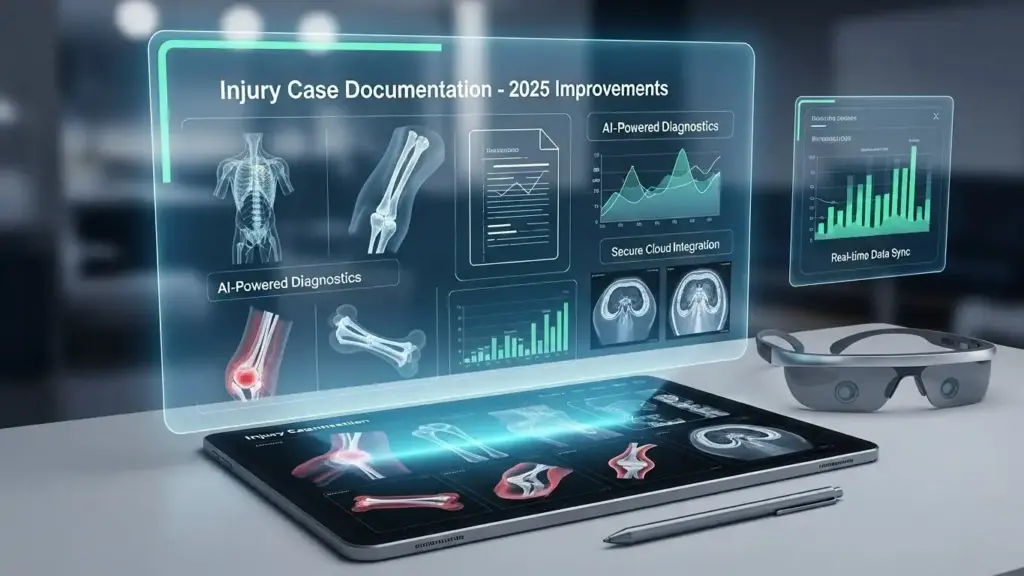
Hospitals and clinics in 2025 have shifted to more advanced EMR systems, making it easier for injury lawyers to retrieve medical documentation quickly. Instead of waiting weeks for paper records, attorneys can often access:
- Diagnostic imaging
- Physician notes
- Treatment plans
- Medication logs
- Specialist referrals
This dramatically improves case efficiency and reduces claim delays. Faster documentation = faster settlement negotiations.
5. Insurance Companies Are Using Aggressive AI Claim Evaluation Tools
One of the more controversial changes in 2025 is the rise of AI-driven claim evaluation tools. These systems scan your police report, medical records, and even your social media footprint to estimate what your claim “should” be worth.
The problem? These AI tools often undervalue injuries and overlook human suffering. This is why victims must work with an experienced personal injury lawyer who can:
- Challenge automated settlement offers
- Present human-factor evidence
- Negotiate beyond AI-calculated values
AI can estimate numbers — but it cannot measure your pain.
6. Rideshare Accident Claims Are More Complicated Than Ever
Uber, Lyft, and other rideshare companies updated their insurance policies this year, leading to more disputes over:
- Driver “active vs. inactive” status
- Who was liable at the time of the crash
- Insurance layering between driver and platform
- GPS-tracked driver behavior
These cases now rely heavily on rideshare app logs and phone metadata. Learn more in our upcoming blog: Rideshare Liability in 2025.
7. Jury Perception of Injuries Is Changing
Because modern medical technology provides more detailed imaging than ever before, juries are becoming more sympathetic to soft-tissue injuries, nerve damage, concussion symptoms, and chronic pain disorders that were previously overlooked.
Advanced imaging such as fMRI and high-resolution MRIs make invisible injuries visible—and insurance companies are taking note.
Final Thoughts: Why These Trends Matter for Injured Victims
2025 has reshaped the personal injury landscape with new technologies, updated regulations, advanced medical data, and more powerful digital evidence than ever before. As a victim, understanding these trends gives you a major advantage when handling your claim.
If you want to explore more legal knowledge, visit our insights at Nolo or stay within our site and browse helpful guides like The Complete Guide to Car Accident Injury Claims.
Knowledge is your strongest tool — and in 2025, it’s more important than ever.
Hi, this is a comment.
To get started with moderating, editing, and deleting comments, please visit the Comments screen in the dashboard.
Commenter avatars come from Gravatar.