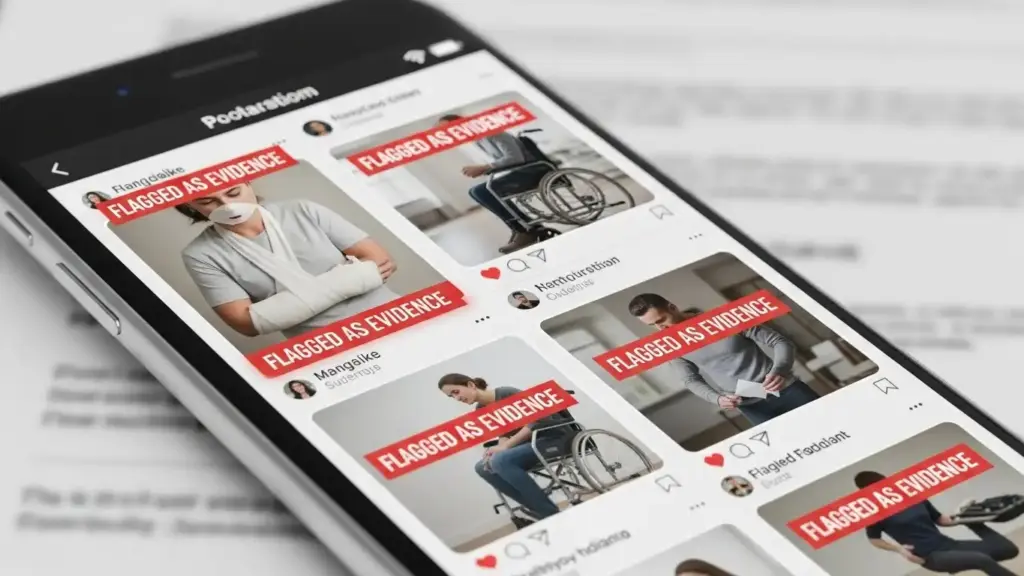
How Social Media Is Now Deciding Personal Injury Cases in 2025
It’s no secret that social media has become a major part of everyday life, but in 2025 personal injury claims, it now plays an even bigger role—often determining who wins or loses a case. Insurance companies, lawyers, and even courts now rely heavily on digital footprints to evaluate credibility, injury severity, and lifestyle changes after an accident.
If you have an active case or you’re preparing to file one, understanding how social media affects your rights is absolutely essential. Below is everything injured victims must know in 2025.
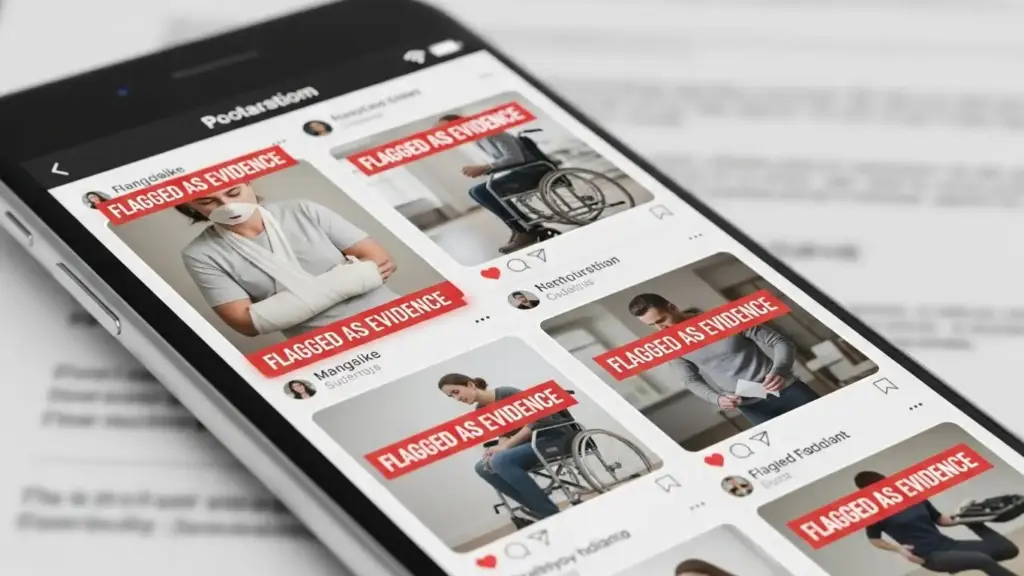
1. AI Now Scans Your Social Media Automatically
Insurance companies now use powerful artificial intelligence tools that scan a claimant’s online activity across multiple platforms, including:
- Twitter/X
- TikTok
- YouTube
Unlike previous years, where adjusters manually reviewed public content, 2025 systems pull together:
- Photos
- Videos
- Location check-ins
- Tagged posts
- Comments
- Hashtags
These systems flag inconsistencies between your stated injuries and your online activity. Something as simple as smiling in a picture, attending an event, or appearing physically active may be used to discredit your claim—even if the image doesn’t reflect the full context.
2. “Tagged” Photos Are Often More Damaging Than Your Own Posts
Claimants are often surprised to learn that even if they stop posting, friends and family can still sabotage their case unintentionally. Insurance companies look closely at:
- Party photos posted by others
- Group pictures where you are visible
- Videos where you appear in the background
- Posts where your username is tagged
Victims often defend themselves by saying, “I didn’t upload that.” Unfortunately, courts have consistently ruled that publicly available online content can be used as evidence—regardless of who posted it.
To better protect yourself, see our guide for digital safety: How Social Media Affects Personal Injury Claims.
3. Even “Private” Accounts Are Not Fully Safe
Many injured victims believe that switching to a private account will keep them protected. In 2025, that’s simply not true. Courts now frequently allow:
- Subpoenas for private content
- Metadata extraction
- Private messages relevant to the case
As long as the content is considered potentially relevant, the defense may gain access to it. Deleting posts can also backfire since courts may view it as destruction of evidence.
4. Location Check-Ins Are Now Highly Targeted Evidence
Apps that log your location—whether intentional or automatic—are particularly dangerous during a claim. Platforms like Facebook, Instagram, Snapchat, and TikTok frequently track:
- Where you go
- How long you stay
- Who you were with
For example:
- A check-in at a gym may contradict a back injury.
- A vacation post may suggest you’re more physically capable than you claim.
- A restaurant outing might be used to argue your pain levels aren’t severe.
Even if the post was made before your accident, insurance companies may misinterpret it. This is why limiting social activity during a claim is essential.

5. Viral Posts Can Make or Break a Case
One of the biggest changes in 2025 is the impact of viral posts. Courts and insurers weigh viral content heavily because:
- It reaches more people
- It suggests you were active enough to record/share content
- It creates widespread public perception
Even humorous or sarcastic videos can be misinterpreted. If a victim posts a TikTok joking about their injury, defense attorneys may use it to argue exaggeration or dishonesty.
6. Lawyers Now Build Cases With Digital Behavior Analysis
In 2025, personal injury attorneys have sophisticated tools that allow them to:
- Reconstruct timelines based on social media activity
- Analyze online behavior before and after the accident
- Identify harmful or contradictory posts
- Verify digital alibis
This is incredibly helpful for proving emotional trauma, lifestyle changes, and even loss of enjoyment of life—key components in modern compensation claims.

7. The Best Social Media Strategy for Injury Victims in 2025
To protect your claim and avoid insurance traps, follow these steps:
- Stop posting immediately until your case is resolved.
- Do not delete old content — ask your lawyer first.
- Ask friends not to tag you or post your photos.
- Turn off location tracking on all apps.
- Avoid reacting or commenting on other people’s posts.
Each of these steps limits opportunities for insurers to twist your online presence against you.
Final Thoughts: Social Media Is No Longer Harmless During Injury Claims
In 2025, social media has become a double-edged sword in personal injury cases. While it can help prove emotional hardship and lifestyle disruption, it also gives insurers and defense teams enormous leverage if victims aren’t careful. Understanding how digital behavior works in injury litigation is crucial to protecting your rights.
To learn more about how modern evidence impacts victims, read our related guide: The Biggest Personal Injury Claim Trends in 2025.
For general legal education, visit Nolo or browse more articles on our site.