Rideshare Liability in 2025: What Uber and Lyft Don’t Want You to Know
Rideshare accident claims have exploded across the United States in 2025, and both Uber and Lyft have quietly changed their policies in ways that directly affect injured passengers, drivers, pedestrians, and even other motorists. The problem? Most victims never realize that the law shifted—until it’s too late.
Whether you were hurt in the backseat of an Uber, struck by a Lyft driver, or involved in a crash while your driver was “waiting for a ride,” understanding 2025 rideshare liability rules is critical to securing compensation. This guide breaks down everything the rideshare giants don’t want you to know.
Why Rideshare Liability Changed in 2025
The growing number of gig-economy drivers, coupled with higher accident rates and increased insurance payouts, forced the industry into major changes. Uber and Lyft introduced new liability tiers, updated coverage limits, and added new loopholes allowing them to deny responsibility.
These shifts were not widely advertised. In many cases, victims only learn about them after filing a claim and receiving a denial.
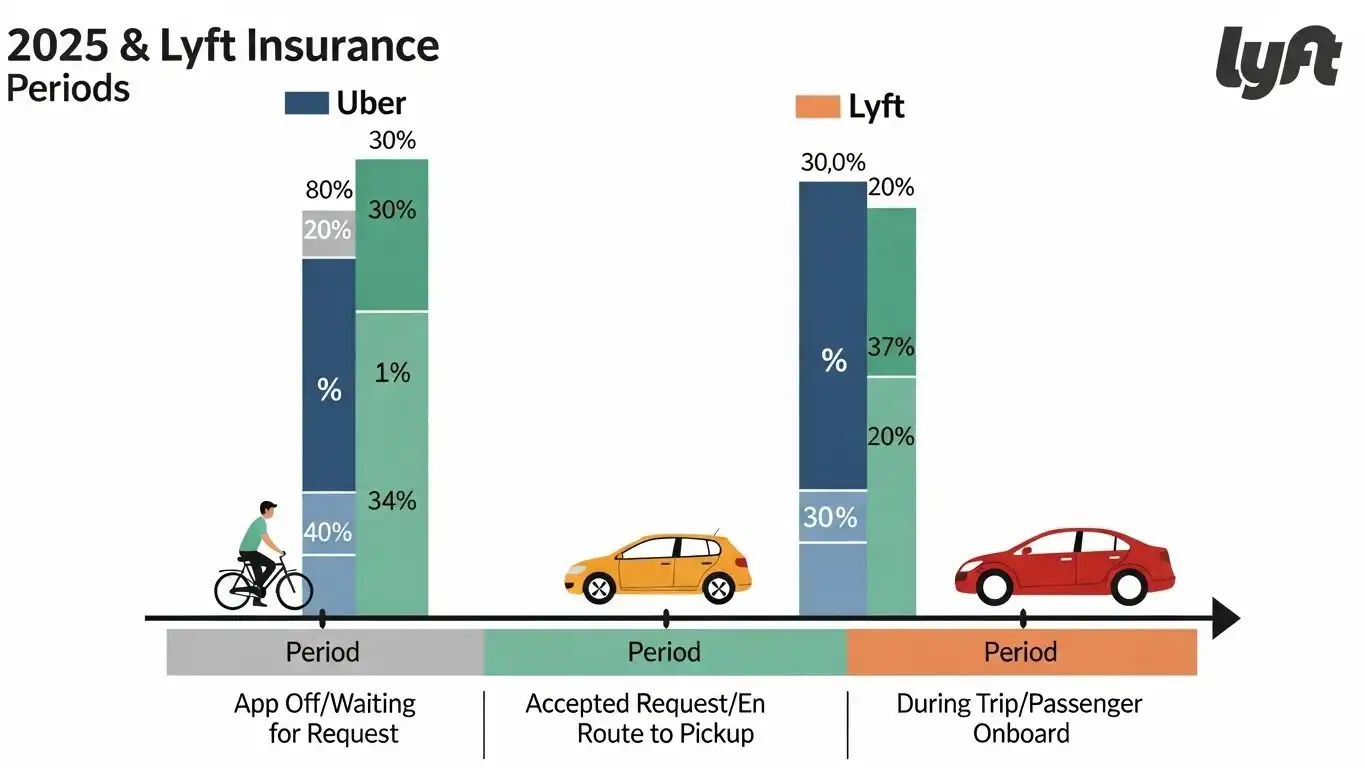
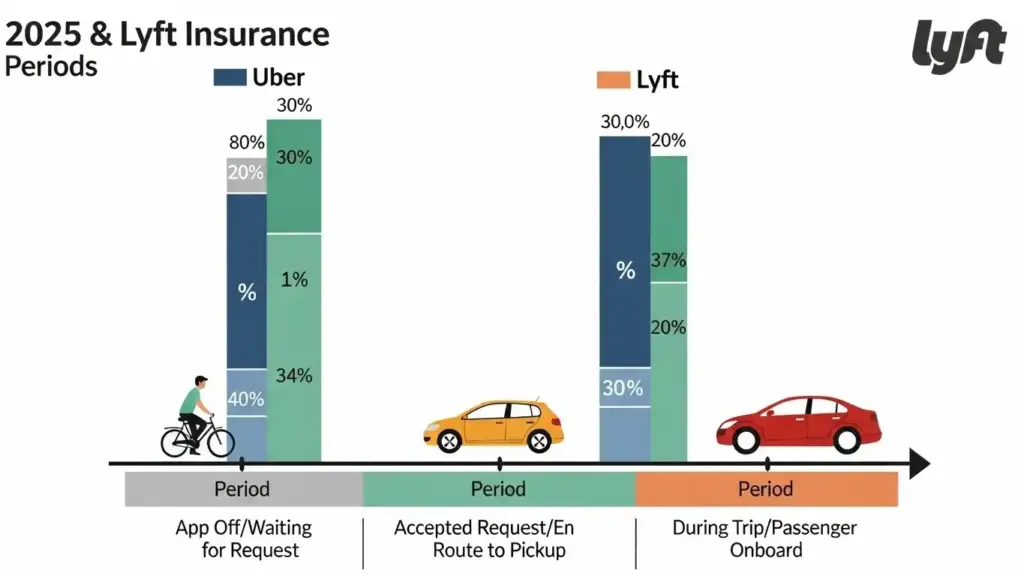
2025 Rideshare Insurance Periods — The New Rules
One of the biggest updates involves the three major “periods” that determine which insurance applies:
- Period 0 – Driver Offline: No rideshare coverage applies. Only the driver’s personal auto insurance applies.
- Period 1 – App On, No Passenger Assigned: Lower insurance limits apply (typically $50k/$100k/$25k).
- Period 2 – Ride Accepted, En Route to Passenger: Uber/Lyft’s full commercial policy kicks in.
- Period 3 – Passenger in Vehicle: Full coverage applies until the ride ends.
The catch? In 2025, Uber and Lyft made it harder for victims to access Period 2 or 3 coverage by disputing when the “ride actually began.” This leads to countless claim delays and denials.
What Uber and Lyft Don’t Want Victims to Know
1. The App Data is Designed to Protect Them—Not You
Uber and Lyft now use detailed telematics, timestamps, and driver behavior data to dispute claims. Their internal reports often support their defense, not your injuries. However, accident victims can legally request this data during a claim or lawsuit—something most people do not realize.
2. Your Claim Can Be Denied if the Driver Was Using Multiple Apps
Many 2025 gig drivers run Uber, Lyft, DoorDash, and Grab at the same time. Insurance companies now deny claims if they cannot confirm which app was active during the crash.
Without an attorney, victims often get caught in a blame game where:
- Uber blames Lyft
- Lyft blames Uber
- The driver’s personal insurance denies the claim entirely
3. Rideshare Companies Are Not Automatically Liable
Uber and Lyft classify drivers as independent contractors. This means they frequently argue they are NOT responsible for the accident—even when the driver was clearly logged in.
This is why thousands of victims lose compensation every year.
Common Rideshare Accidents in 2025
Some of the most frequent 2025 rideshare accidents include:
- Rear-end collisions caused by distracted rideshare drivers
- Side-impact (T-bone) crashes during rapid pickups
- Pedestrian and bicycle strikes in busy urban zones
- Crashes caused by driver fatigue from multi-app working
Each scenario triggers different liability and insurance rules, making proper classification extremely important.

Your Rights After a Rideshare Accident
Even with 2025’s updated rules, victims still have strong legal protections—if they act quickly and strategically.
You May Be Entitled to Compensation For:
- Medical bills
- Lost wages
- Future medical care
- Pain and suffering
- Property damage
- Permanent injury or disability
Most cases involve multiple insurance companies, which means more sources of compensation—but also more companies trying to avoid paying.
How to Protect Your Claim Immediately
1. Screenshot the App Immediately
The following screenshots can make or break your case:
- Trip details
- Driver profile
- Timestamp
- Driver status (en route, completing ride, etc.)
These details help establish which insurance period applies.
2. Save Messages Between You and the Driver
In 2025, Uber and Lyft messages are automatically purged after a period of time. Always save or screenshot communication immediately.
3. Request the Rideshare App Data
Under many state laws, victims can request:
- GPS logs
- Telematics
- Driver speed data
- Hard braking and acceleration reports
This is powerful evidence that rideshare companies prefer to keep hidden unless legally compelled.

Should You Get a Lawyer for a Rideshare Accident?
In 2025, rideshare accident cases have become too complex to handle alone. Uber and Lyft intentionally make their policies confusing, especially when multiple drivers, apps, or companies are involved.
A personal injury lawyer can help you:
- Identify the correct insurance period
- Request hidden data from Uber/Lyft
- Negotiate with multiple insurance companies
- File a lawsuit if the company refuses to pay
If you want to explore more about accident cases, check out our related guide: The Biggest Personal Injury Claim Trends in 2025.
For more detailed injury topics, you may also read: How Social Media Is Now Deciding Personal Injury Cases in 2025.
Final Thoughts
Uber and Lyft have created a system that protects their companies first—and leaves victims confused and overwhelmed. But with the right knowledge and legal strategy, you can hold them accountable and secure the compensation you deserve.