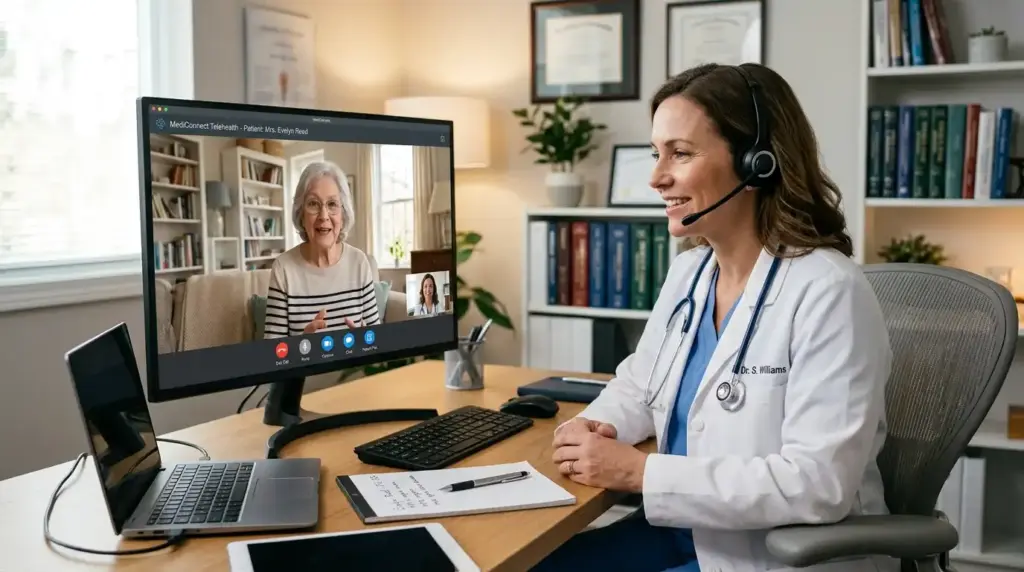
Telehealth Malpractice: When Virtual Care Leads to Medical Negligence
Telehealth has changed how patients access care, but it also introduces risks. Telehealth malpractice may occur when virtual consultations lead to misdiagnosis, delayed treatment, or improper care. As digital healthcare expands, questions about accountability and patient safety continue to grow.
What Is Telehealth Malpractice?
Telehealth malpractice refers to situations where a healthcare provider fails to meet the standard of care during a virtual consultation. This may include missing symptoms that would have been detected in an in-person visit or relying too heavily on limited patient input.
According to the American Medical Association, telemedicine can improve access to care, but providers must still follow the same professional standards as traditional practice.
Common Examples of Telehealth Errors
- Failure to diagnose serious conditions due to lack of physical examination
- Incorrect prescriptions based on incomplete patient information
- Delayed referrals to specialists
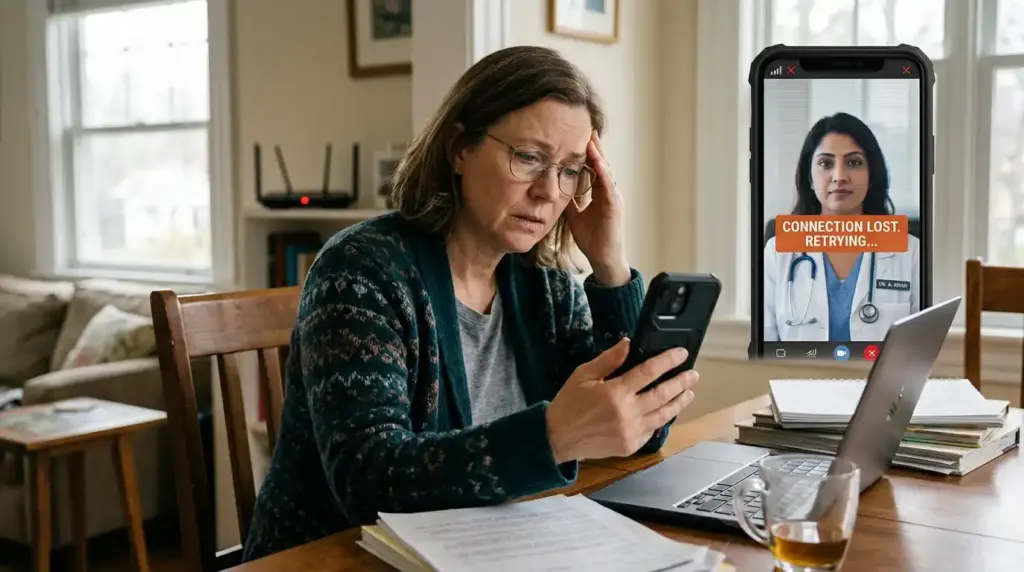
- Miscommunication caused by poor video or audio quality
Why Telehealth Increases Risk in Some Cases
Virtual consultations limit a doctor’s ability to perform hands-on assessments. Subtle symptoms such as swelling, skin discoloration, or neurological responses may go unnoticed. These gaps may lead to inaccurate conclusions.
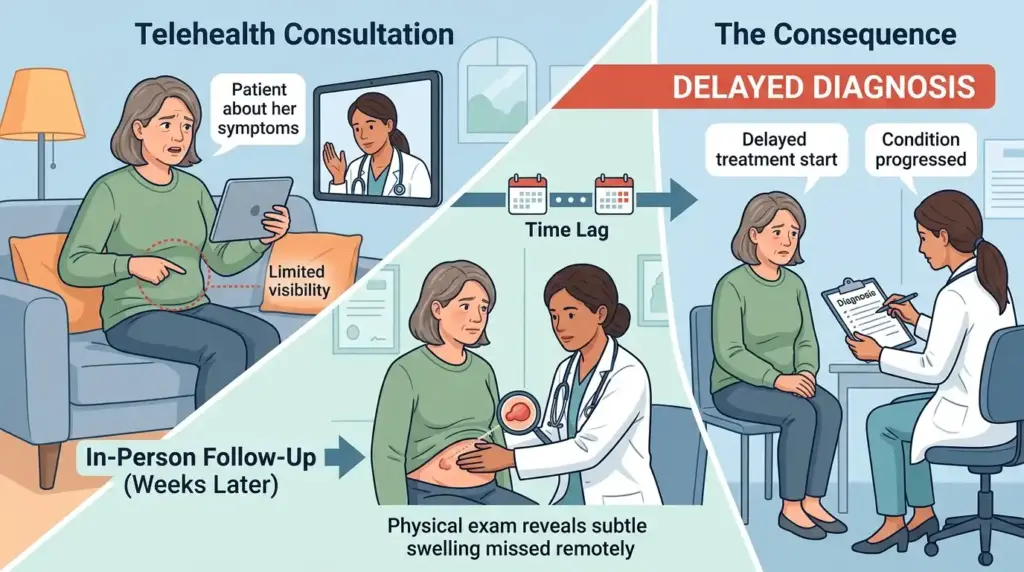
In some cases, patients may not know how to properly describe their symptoms. This communication barrier may contribute to errors in diagnosis or treatment planning.
Legal Considerations in Telehealth Malpractice
Telehealth providers are generally held to the same standard of care as in-person providers. However, proving negligence may involve additional factors, such as technology limitations and documentation of virtual interactions.
You may also explore related negligence issues in medical negligence cases to understand broader legal principles.
Key Elements in a Claim
- Duty of care between provider and patient
- Breach of that duty through substandard care
- Connection between the breach and the injury
- Resulting damages
How Patients Can Protect Themselves
While telehealth offers convenience, patients may take steps to reduce risk. Preparing for appointments, providing complete medical history, and asking follow-up questions may improve outcomes.
Reliable guidance from organizations like the Centers for Disease Control and Prevention may help patients understand when in-person care is necessary.
When Telehealth May Not Be Enough
Certain conditions require physical examination or diagnostic testing. Relying solely on virtual care in these cases may increase the likelihood of errors. If symptoms persist or worsen, seeking in-person evaluation may be appropriate.
The Future of Telehealth and Accountability
Telehealth continues to evolve, with improved tools and protocols. However, legal frameworks are still adapting. As technology becomes more integrated into healthcare, providers may need clearer guidelines to balance convenience with patient safety.
Understanding these risks may help patients make informed decisions about their care. Telehealth offers many benefits, but awareness of its limitations remains essential.