Smart Sensors and Slip and Fall Accidents: Liability Risks for Property Owners in 2026
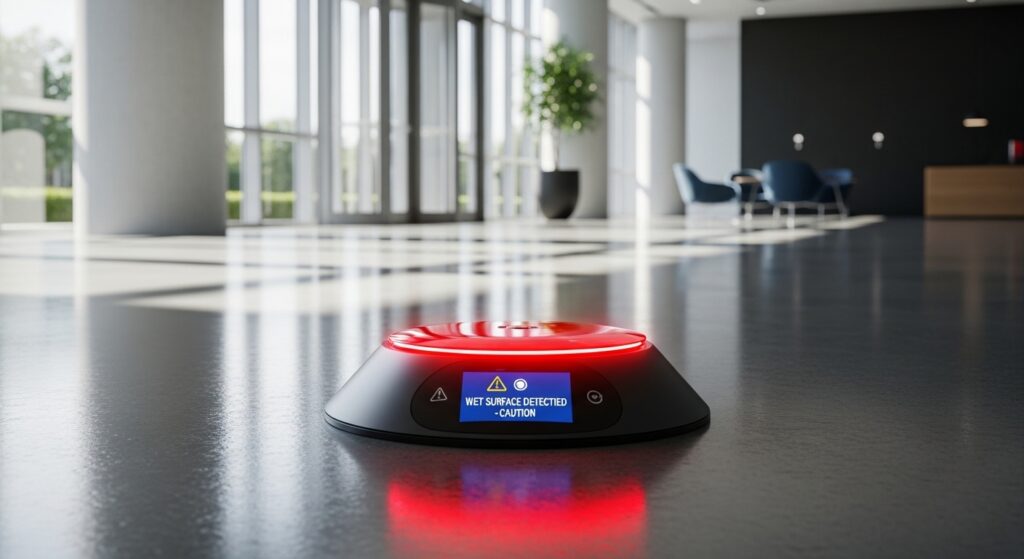
In 2026, smart technology is rapidly changing how property owners manage safety risks. One of the most important innovations in premises liability is the use of smart sensors to detect hazards that could lead to slip and fall accidents.
From retail stores to office buildings, these systems can identify wet floors, spills, and unsafe walking conditions in real time. While this technology helps prevent accidents, it also raises new legal questions about liability when injuries occur.
What Are Smart Sensors in Premises Liability?
Smart sensors are part of the growing Internet of Things (IoT), designed to monitor environmental conditions such as moisture, temperature, and foot traffic. When a hazard is detected, the system sends alerts to property managers or staff for immediate action.
These systems are increasingly used in malls, hotels, and commercial buildings to reduce the risk of accidents and improve overall safety compliance.
How Smart Sensors Affect Slip and Fall Liability
1. Faster Hazard Detection
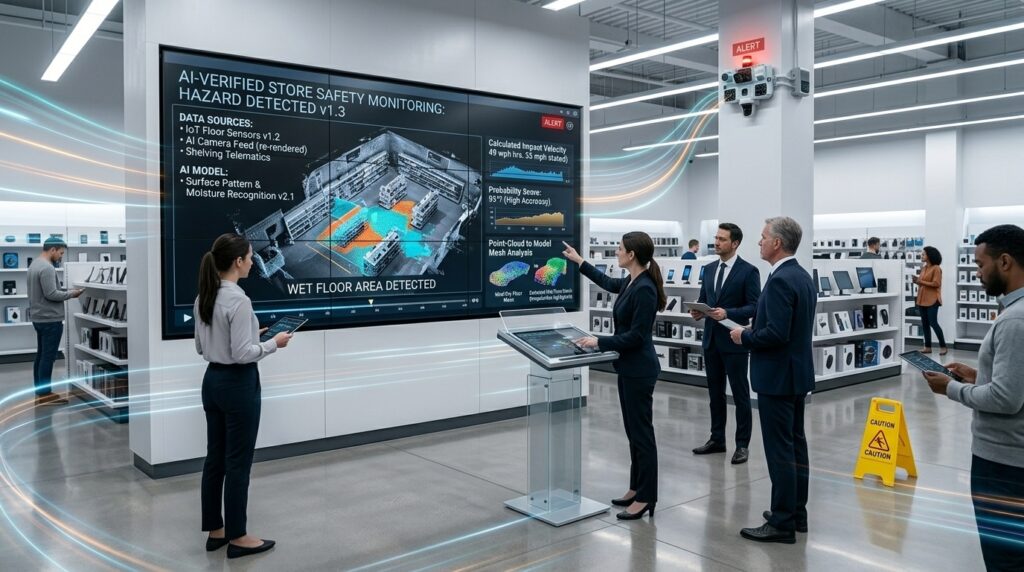
Smart sensors can instantly detect spills or slippery surfaces, significantly reducing the time it takes for staff to respond. This helps prevent accidents—but also creates a digital record of when hazards were identified.
2. Digital Evidence in Claims
In slip and fall cases, proving negligence often depends on whether the property owner knew about a dangerous condition. Sensor data can show exactly when a hazard occurred and how long it remained unaddressed.
For example, if a system flagged a wet floor but staff failed to act promptly, this could strengthen an injury claim.
3. Increased Accountability
With smart systems in place, property owners may be held to a higher standard of care. The presence of technology implies an ability to detect and respond to risks quickly.

Legal Responsibilities of Property Owners
Property owners have a duty to maintain safe premises for visitors. This includes regularly inspecting the property and addressing hazards within a reasonable time frame.
Smart sensors can support this duty—but they can also expose failures. If alerts are ignored or delayed, it may be considered a breach of responsibility.
To explore more about slip and fall liability and related legal insights, visit: Premises Liability – Slip and Fall Articles
Challenges with Smart Sensor Evidence
System Errors and False Alerts
Although advanced, smart sensors are not perfect. False positives or system malfunctions could complicate liability claims and create disputes over accuracy.
Data Access Issues
In some cases, injured individuals may have difficulty obtaining sensor data, especially if property owners are reluctant to share records.
Legal Interpretation
Courts may need to determine how much weight to give sensor-generated data and whether it reliably proves negligence.
External Legal Perspective
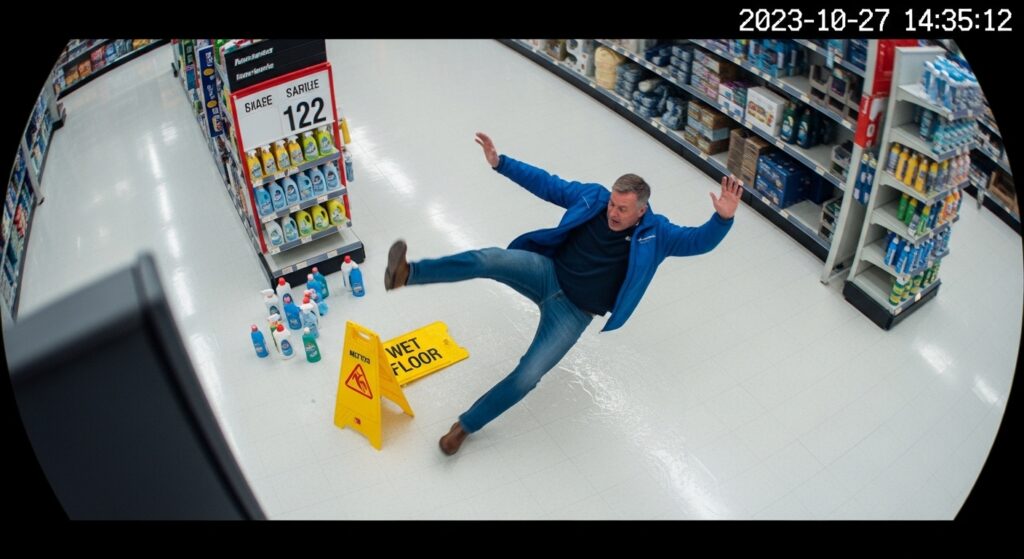
According to legal guidance on premises liability, property owners must take reasonable steps to prevent foreseeable harm and address known hazards promptly. Failure to do so can result in liability for injuries.
For more general information on premises liability law, visit: Premises Liability Law Overview
How This Impacts Injury Victims
For victims of slip and fall accidents, smart sensor technology can provide valuable evidence. It may help establish:
- When the hazard first appeared
- Whether the property owner responded in time
- If proper safety measures were in place
However, it is still important to document the accident scene, gather witness information, and seek legal advice as soon as possible.
Future Trends in Smart Premises Safety
As technology continues to evolve, smart sensors will likely become standard in commercial properties. Future systems may integrate predictive analytics to identify high-risk areas before accidents even occur.
This could reduce the number of injuries—but also increase expectations for property owners to maintain safer environments.
Final Thoughts
Smart sensors are transforming how slip and fall cases are handled in 2026. While they improve safety and provide stronger evidence, they also introduce new challenges in determining liability.
For property owners, the message is clear: adopting technology is not enough—it must be used effectively. For injury victims, these systems can be a powerful tool in proving negligence and securing fair compensation.