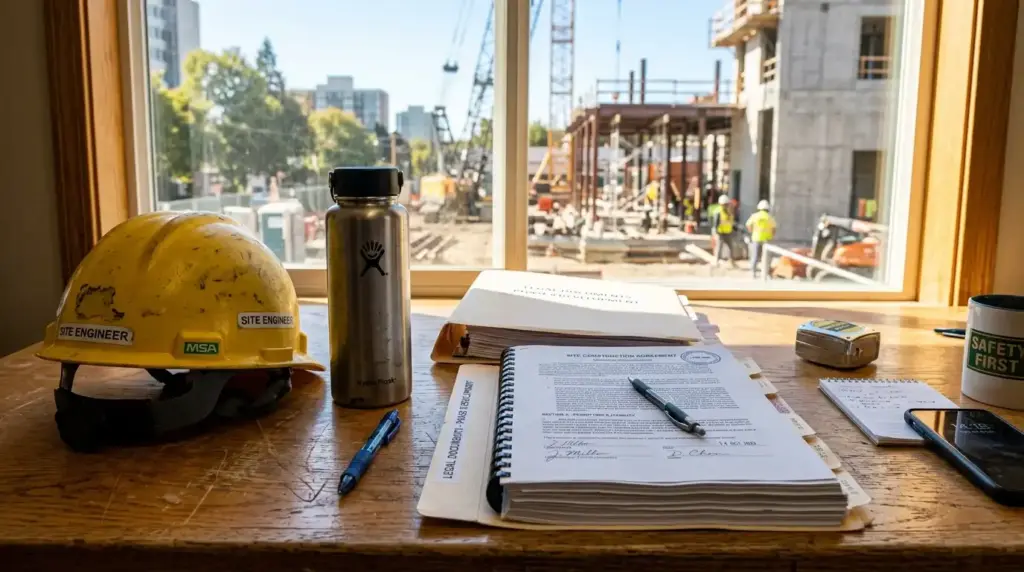
Heat-Related Workplace Death Claims in 2026
Heat-related workplace death claims are gaining attention as extreme temperatures, indoor heat hazards, and outdoor labor risks affect more workers. Families may need to review employer safety practices, jobsite conditions, medical findings, and third-party responsibility after a fatal heat incident.
Why Heat-Related Workplace Death Claims Are Becoming More Important
Workplace heat exposure is no longer viewed as a seasonal inconvenience. It is now a serious safety issue for employees in construction, agriculture, delivery, warehouse work, landscaping, manufacturing, and food service. The risk can become deadly when workers perform physically demanding tasks without enough rest, water, shade, cooling areas, or emergency response.
The Occupational Safety and Health Administration has continued rulemaking activity related to heat injury and illness prevention in outdoor and indoor work settings. That matters because fatal heat exposure can raise questions about whether an employer recognized the hazard and used reasonable measures to protect workers.
For families, a fatal workplace heat incident can feel confusing because the death may not look like a typical accident. There may be no fall, crash, explosion, or machine failure. Instead, the evidence may involve body temperature, job duties, weather conditions, indoor ventilation, emergency response delays, and whether the worker had enough time to acclimate.
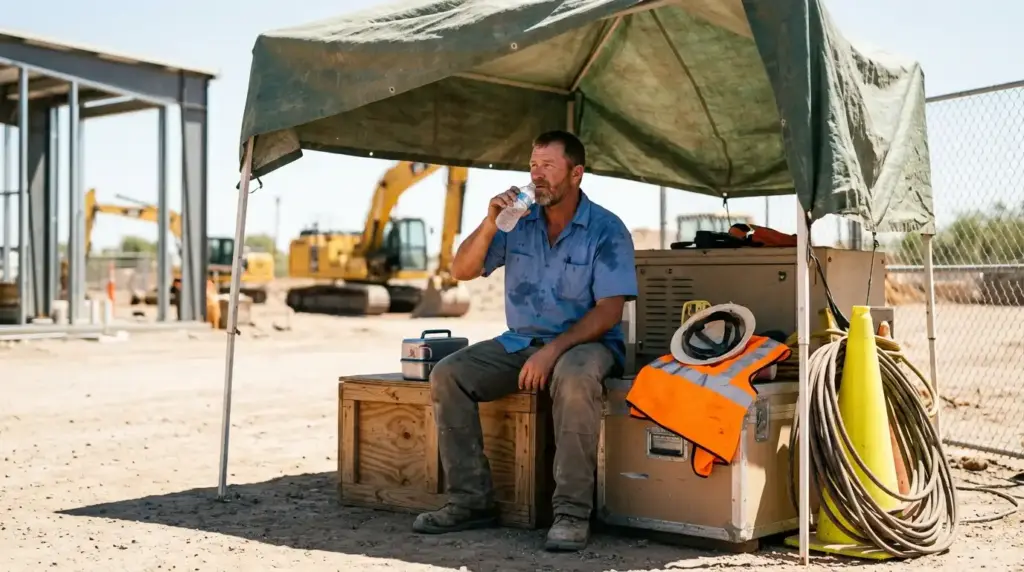
What Counts As A Heat-Related Workplace Death?
A heat-related workplace death may involve heat stroke, heat exhaustion that progresses into a medical crisis, cardiac complications tied to heat stress, dehydration, or a collapse during heavy labor. In some cases, the official cause of death may include several contributing factors, such as strenuous work, high humidity, protective clothing, lack of cooling, and pre-existing medical issues.
This is why medical documentation matters. A death certificate, autopsy report, hospital records, ambulance report, and witness statements can help explain what happened. Families should also consider jobsite evidence, including work schedules, temperature readings, safety plans, and records showing whether supervisors recognized warning signs.
A general overview of workplace injury claims may help readers understand the broader claim process. You can review this related guide on workplace injury claims for additional context.
Employer Safety Duties Around Heat Hazards
Employers may have duties to identify heat risks, train workers, monitor conditions, and respond when employees show symptoms of heat illness. Safety planning can include access to drinking water, shaded or cooled rest areas, gradual acclimatization, emergency response procedures, supervisor training, and modified work schedules during high heat.
Heat risks can exist indoors as well as outdoors. Warehouses, kitchens, laundries, factories, bakeries, and industrial plants may trap heat from machinery, ovens, poor ventilation, and heavy protective gear. A worker does not need to be under direct sunlight to face dangerous heat exposure.
Common Warning Signs Before A Fatal Heat Incident
Important warning signs may include dizziness, confusion, nausea, heavy sweating, stopped sweating, headache, weakness, rapid heartbeat, fainting, or unusual behavior. If coworkers noticed these signs before the worker collapsed, those statements can become important evidence.
Supervisors may also have noticed unsafe conditions. Examples include workers asking for breaks, complaints about temperature, broken cooling systems, denied rest periods, or repeated heat-related symptoms among employees at the same site.
Industries Where Fatal Heat Exposure May Occur
Some jobs carry higher heat exposure risks because they involve outdoor labor, heavy lifting, long shifts, enclosed spaces, or protective clothing. Common examples include construction crews, roofers, farmworkers, delivery drivers, sanitation workers, utility workers, warehouse employees, kitchen staff, and factory workers.
Heat-related death claims may also overlap with transportation and vehicle-related work. Delivery drivers, truckers, and field employees may face high temperatures inside vehicles, loading areas, parking lots, and roadside environments. For related information, readers can visit the guide on car accident injury claims.
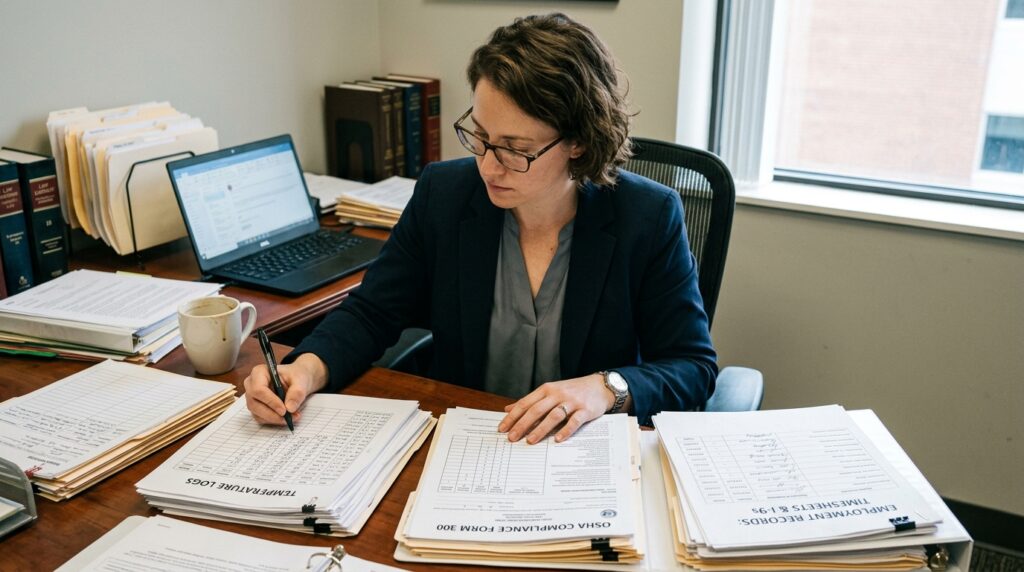
Evidence Families Should Preserve After A Fatal Heat Incident
Evidence can disappear quickly after a workplace death. Jobsite conditions may change, weather records may be overlooked, and digital logs may be deleted under routine company policies. Families may benefit from identifying the evidence connected to the worker’s final shift as early as possible.
Important evidence may include:
- Work schedules and timecards
- Temperature, humidity, and heat index records
- Indoor thermostat or ventilation records
- Photos or videos of the jobsite
- Safety training materials
- Heat illness prevention policies
- Witness statements from coworkers
- Ambulance and emergency response records
- Prior complaints about heat or unsafe working conditions
- OSHA inspection records or employer injury logs
Digital evidence can also matter. Text messages, work apps, GPS records, dispatch logs, photos, and social media posts may help build a timeline. For broader digital evidence issues, see this guide on social media and personal injury cases.
Workers’ Compensation Death Benefits And Wrongful Death Claims
Many fatal job incidents begin with workers’ compensation death benefits. These benefits may help surviving family members with certain financial losses after a worker dies because of job-related conditions. The exact rules depend on the state, the worker’s employment status, and the family relationship.
A wrongful death claim may be possible in certain situations, especially when someone outside the employer contributed to the fatal incident. Examples may include a property owner, general contractor, subcontractor, staffing agency, equipment manufacturer, or negligent driver. This is where the facts matter. The same fatal heat incident may involve more than one legal path.
Families can also review this broader guide on wrongful death claims to understand the basic structure of these cases.
Possible Third-Party Liability
Third-party liability may arise when a non-employer played a role in creating unsafe heat conditions. A property owner may have failed to provide safe access to cooling areas. A contractor may have pushed unrealistic work deadlines during dangerous temperatures. A manufacturer may have supplied defective cooling equipment or protective gear.
These details matter because workers’ compensation rules may limit direct lawsuits against an employer, but they may not prevent claims against outside parties. A legal review can help identify whether a third-party claim exists.
What Families Should Do After A Heat-Related Workplace Death
Families should gather available documents, request official reports, preserve photos and messages, and write down what they know about the worker’s final shift. It may also help to list coworkers, supervisors, witnesses, and anyone who discussed unsafe heat conditions before the incident.
Families should avoid guessing about the cause of death before medical and workplace records are reviewed. Heat-related fatalities can involve several overlapping causes, and early assumptions may leave out key facts.
Suggested Image Placement 3: Family Legal Consultation After Workplace Death

Final Thoughts
Heat-related workplace death claims require careful review because the evidence may be technical, time-sensitive, and spread across several sources. Weather records, jobsite policies, medical findings, witness statements, and digital records can all help explain whether the death was preventable.
As heat safety remains a major workplace issue in 2026, families may need clear information about workers’ compensation death benefits, wrongful death claims, and possible third-party liability. For more personal injury updates, read The Biggest Personal Injury Claim Trends in 2025.