
Artificial intelligence is changing healthcare by helping doctors analyze medical images, review patient information, predict health risks, and improve treatment decisions. While these technologies may provide valuable support, they also create new questions about responsibility when an AI-assisted decision contributes to patient harm.
AI medical errors malpractice claims are becoming an emerging legal issue as healthcare providers increasingly rely on automated tools. When an artificial intelligence system contributes to a missed diagnosis, incorrect treatment recommendation, delayed care, or other preventable mistake, patients may wonder who can be held responsible.
Medical malpractice cases involving AI can involve healthcare providers, hospitals, technology companies, and other parties depending on how the system was used and whether proper safety procedures were followed.
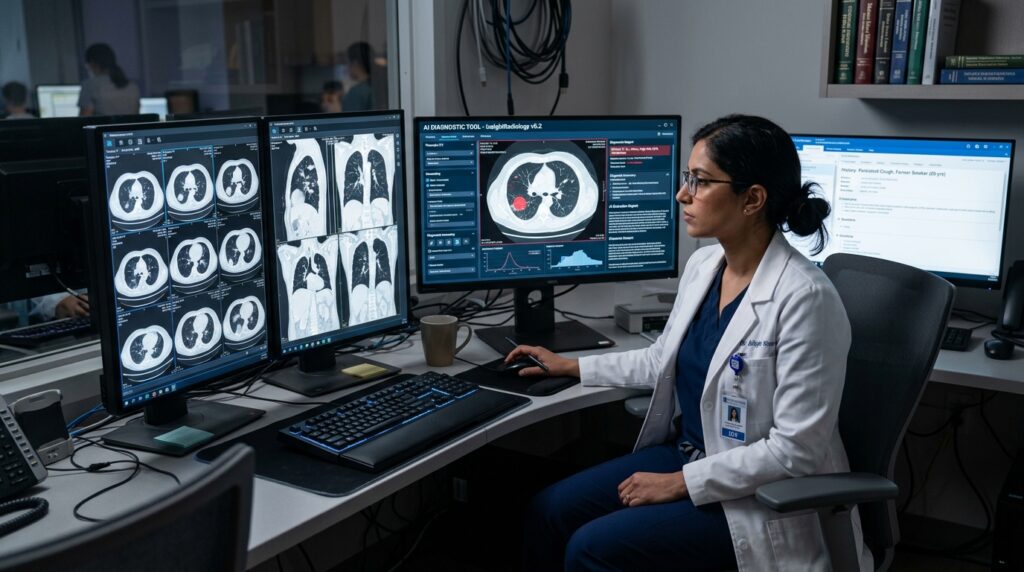
How Artificial Intelligence Is Being Used In Healthcare
Healthcare organizations use AI tools in many different ways. Some systems help doctors interpret medical images, identify possible diseases, organize medical records, monitor patients, or predict complications. These tools are designed to assist medical professionals, not replace professional judgment.
However, AI systems depend on the information they receive and the way they are designed. Errors can occur when the technology produces inaccurate results, when medical providers misunderstand recommendations, or when healthcare professionals rely too heavily on automated decisions without applying their own medical expertise.
The U.S. Food and Drug Administration (FDA) continues to monitor artificial intelligence and machine learning technologies used in medical devices and healthcare settings.
Can An AI Medical Mistake Lead To A Malpractice Claim?
An AI-related medical mistake may potentially support a malpractice claim if a patient can show that a healthcare provider failed to meet the accepted standard of care and that the failure caused harm.
Medical malpractice claims generally focus on the actions of healthcare professionals rather than simply the existence of a technology error. A doctor, hospital, or medical provider may still have a duty to evaluate information carefully and make appropriate decisions based on the patient’s condition.
For example, if an AI tool fails to identify signs of cancer on an imaging scan, a physician may still need to consider other symptoms, test results, and clinical information before making a diagnosis.
Patients interested in learning more about medical negligence claims can also review this related guide on how to file a medical malpractice claim.

Common Types Of AI-Related Medical Errors
AI healthcare mistakes may happen in several areas of medicine. Some possible examples include:
- Incorrect diagnosis recommendations
- Missed warning signs in medical imaging
- Incorrect medication suggestions
- Failure to recognize patient symptoms
- Incorrect risk predictions
- Errors caused by inaccurate patient data
- Delayed treatment because of reliance on automated systems
These mistakes can have serious consequences. A delayed diagnosis may allow a condition to worsen. An incorrect medication recommendation may create dangerous side effects. A missed medical emergency may prevent a patient from receiving timely treatment.
Who May Be Responsible For An AI Medical Error?
Determining responsibility after an AI-related healthcare mistake can be complicated. Several parties may potentially be involved depending on the circumstances.
Doctors And Healthcare Providers
Medical professionals remain responsible for providing appropriate care. Using AI technology does not necessarily remove a doctor’s duty to evaluate information, communicate risks, and make informed decisions.
Hospitals And Healthcare Systems
Hospitals may face questions about whether they properly selected, implemented, monitored, and trained employees to use AI systems. Healthcare facilities may also need procedures to identify technology limitations and prevent patient harm.
Technology Companies
Companies that develop healthcare AI systems may face questions involving software design, inaccurate outputs, inadequate warnings, or product safety issues. Whether a technology company can be held legally responsible depends on the specific facts and applicable laws.
Evidence Needed For An AI Medical Malpractice Claim
AI-related malpractice cases may require detailed evidence because patients must understand not only what happened medically but also how technology influenced the decision-making process.
Important evidence may include:
- Medical records
- AI-generated recommendations or reports
- Diagnostic test results
- Doctor notes and communications
- Hospital policies regarding AI use
- Training records
- Expert medical testimony
- Technology documentation
Medical records are often one of the most important sources of information in these cases. Patients should keep copies of their records, test results, prescriptions, and communications with healthcare providers.
For additional information about preserving evidence after an injury, readers may also review this article about preserving evidence after an accident.
Why Expert Testimony May Be Important
Medical malpractice claims involving artificial intelligence often require experts who understand both healthcare standards and the medical decision-making process.
An expert may review whether the healthcare provider acted reasonably, whether the AI tool was properly used, and whether the mistake caused the patient’s injuries.
Because AI technology is relatively new in healthcare, these cases may require additional analysis compared with traditional medical malpractice claims.
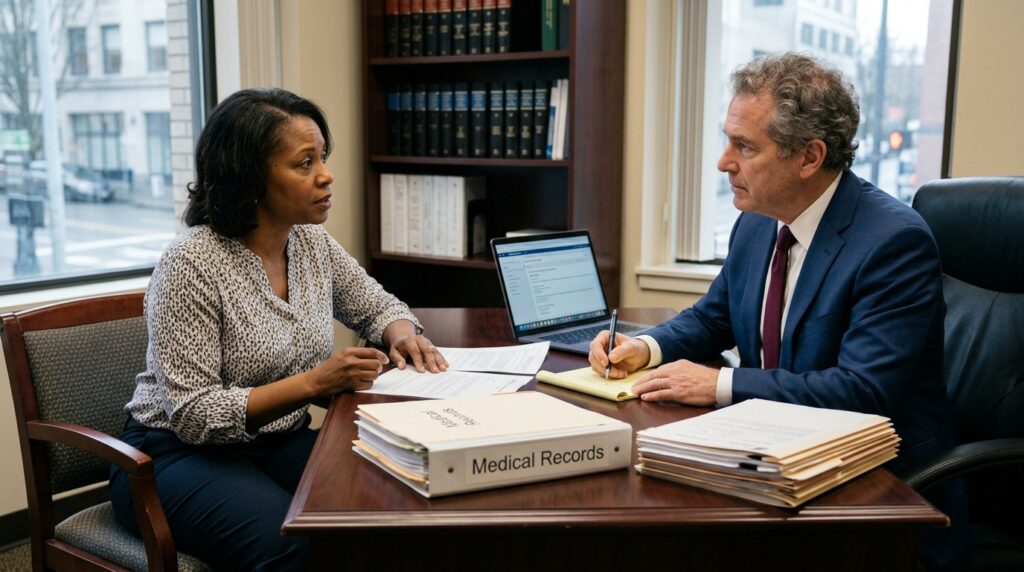
What Patients Should Do After An AI-Related Medical Error
Patients who believe an AI-assisted medical mistake caused harm should consider taking several steps:
- Request copies of medical records
- Document symptoms and treatment changes
- Keep communications with healthcare providers
- Ask questions about how decisions were made
- Avoid signing documents without understanding their impact
- Speak with a qualified medical malpractice attorney
Understanding what happened is often the first step. AI-related medical mistakes can involve complicated medical and technical issues, making early investigation important.
The Future Of AI Medical Malpractice Claims
Artificial intelligence will likely continue expanding throughout healthcare. As these systems become more common, courts and lawmakers may continue developing standards for responsibility, oversight, and patient protection.
Technology can improve healthcare outcomes, but patients still deserve safe and appropriate medical treatment. When preventable mistakes occur, understanding potential legal options can help injured patients and families protect their rights.
Final Thoughts
AI medical errors malpractice claims represent a growing area of medical negligence law. While artificial intelligence may help healthcare providers make better decisions, medical professionals still have responsibilities when treating patients.
When an AI-related mistake causes serious harm, a careful review of medical records, technology use, provider decisions, and expert opinions may help determine whether negligence occurred.
Patients who believe they were harmed by a healthcare mistake may benefit from learning about their legal options and understanding how medical malpractice claims work.