As technology rapidly evolves, biometric systems such as facial recognition, fingerprint scanning, and iris detection are becoming deeply integrated into everyday life. While these tools improve security and efficiency, they also introduce new risks—especially when errors occur.
In 2026, biometric data personal injury claims are emerging as a critical legal issue. Mistakes such as misidentification, wrongful detainment, or denied access are no longer rare—they are real-world incidents with serious consequences.
To explore more emerging topics like this, visit our Personal Injury Trends page.
What Is Biometric Data and Why Does It Matter?
Biometric data refers to unique physical or behavioral characteristics used to identify individuals. These include:
- Facial recognition
- Fingerprint scanning
- Voice recognition
- Iris or retina scans
These systems are widely used in airports, workplaces, smartphones, and public infrastructure. However, despite their convenience, they are not always accurate.
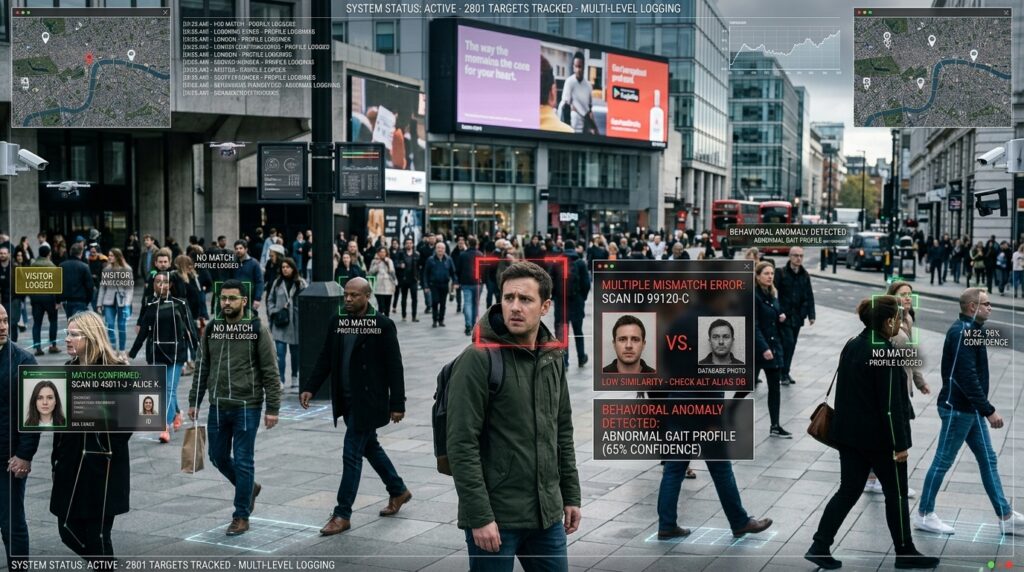
Concerns about facial recognition technology and privacy risks continue to grow as more cases of misidentification and bias are reported.
How Biometric Errors Can Lead to Personal Injury Claims
Unlike traditional injury claims, biometric-related cases involve a combination of technology, negligence, and privacy concerns.
1. Misidentification and Wrongful Detainment
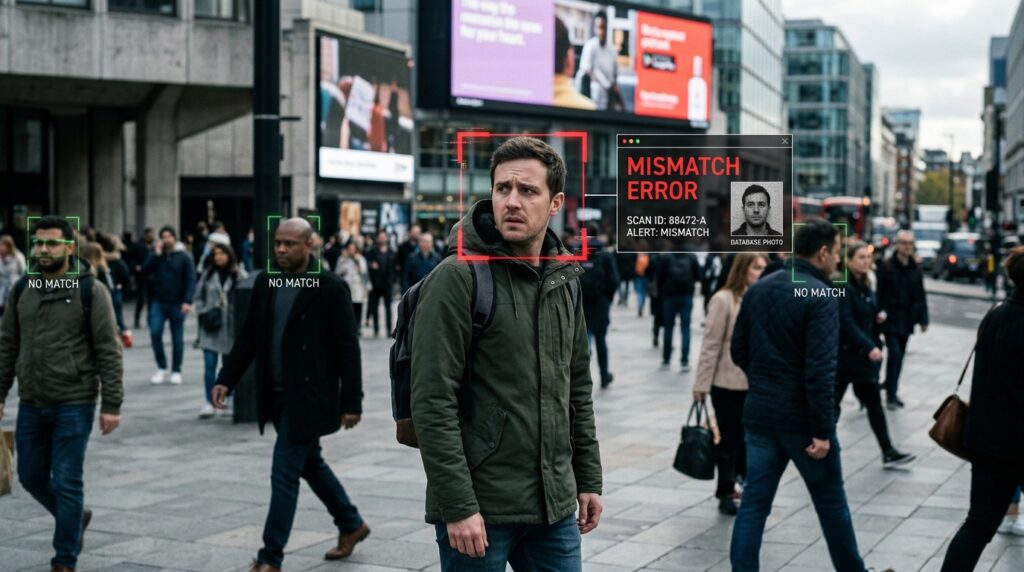
Facial recognition systems can incorrectly identify individuals, sometimes resulting in wrongful arrests or detainment. These incidents can lead to emotional distress, reputational damage, and even physical harm.
2. Denial of Access in Critical Situations
Biometric failures may prevent access to buildings, transportation, or secure areas during emergencies. These delays can worsen injuries or prevent individuals from receiving timely assistance.
3. Data Breaches and Identity Misuse
Because biometric data is highly sensitive, breaches can result in identity theft or unauthorized tracking. Victims may suffer long-term consequences that go beyond financial loss.

Who Can Be Held Liable?
Determining liability in biometric data personal injury claims depends on how and where the technology was used. Potentially responsible parties include:
- Technology Developers: If the system is defective or unreliable
- Property Owners: If unsafe systems are installed without safeguards
- Employers: If biometric tools are misused in the workplace
- Government Agencies: In cases involving public surveillance
Courts are increasingly evaluating whether these parties exercised reasonable care when deploying biometric systems.
The Role of AI and Digital Evidence
Biometric-related personal injury cases often rely on advanced digital evidence, including:
- System logs and access records
- Surveillance footage
- Algorithm decision-making data
- Expert analysis on system reliability
This shift highlights how technology is reshaping personal injury litigation, making it more data-driven than ever before.
Legal Challenges and Emerging Trends
As biometric technology evolves, several legal challenges continue to emerge:
Privacy vs. Security
Balancing public safety with individual privacy rights remains a major concern.
Lack of Clear Regulations
Many jurisdictions still lack specific laws governing biometric liability, creating uncertainty in legal outcomes.
Algorithmic Bias
Some systems show inconsistent accuracy across different demographic groups, raising serious fairness and accountability issues.
These challenges are shaping the future of biometric data personal injury claims and influencing how courts interpret liability.

How Victims Can Protect Their Rights
If you have been affected by a biometric system error, consider taking the following steps:
- Document the incident in detail
- Request access to biometric system records
- Seek medical attention if injuries occurred
- Consult a personal injury lawyer experienced in technology-related cases
Being proactive can significantly strengthen your claim and protect your legal rights.
What This Means for the Future of Personal Injury Law
The rise of biometric systems represents a major shift in how personal injury cases are evaluated. Traditional legal concepts are being challenged by new forms of digital evidence and technological risk.
As biometric tools become more common, the legal system will continue adapting to address these emerging issues.
Final Thoughts
Biometric data errors are redefining personal injury law in 2026. While these technologies offer clear benefits, they also introduce risks that cannot be ignored.
Understanding liability in these cases is essential for both individuals and legal professionals navigating this rapidly evolving landscape.